

Probiotics
Probiotics — in skincare

Probiotics in skincare are usually not live bacteria. Korean formulas use ferments and lysates of friendly bacteria such as Lactobacillus and Bifida, sometimes called postbiotics. They help support the skin barrier and a calm, balanced look and add hydration, which is why they often appear next to centella in soothing ranges.
What it does for skin
Ferment ingredients help skin feel stronger and more comfortable, look less red and hold moisture better. They also give toners and essences a silky, hydrating feel. Research on probiotic skincare is still developing, so think of them as barrier support rather than a quick fix.
Who it suits
Sensitive, reactive and stressed skin, dry skin that loses moisture easily, and anyone whose barrier feels weakened by actives, weather or harsh cleansing.
How to use it
Probiotic products work best as a daily base: a toner or essence after cleansing, then an ampoule and a cream, morning and evening. They have no known conflicts and pair well with centella, ceramides and niacinamide.
Korean products with it at Baseshop
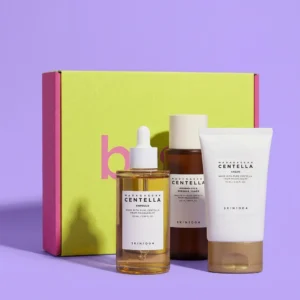
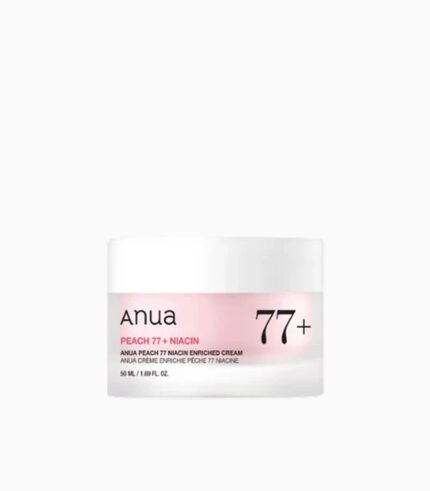
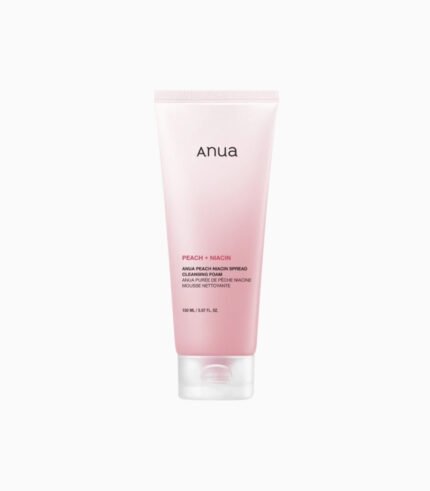
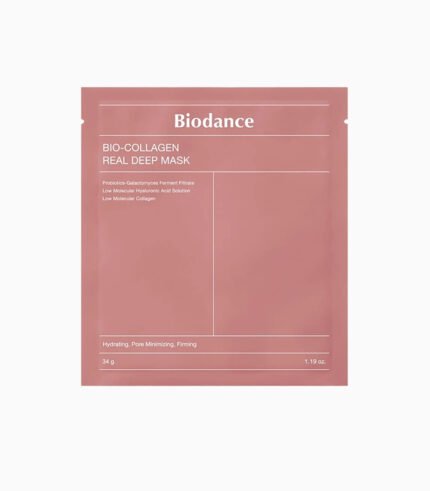
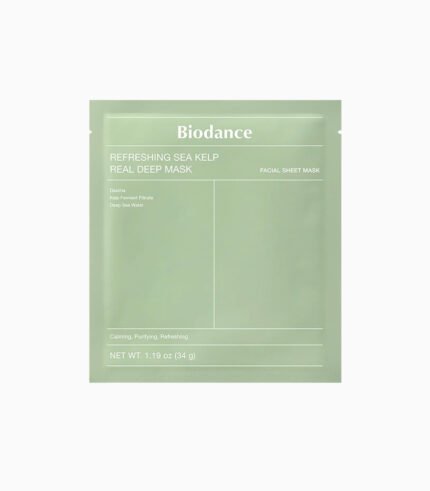
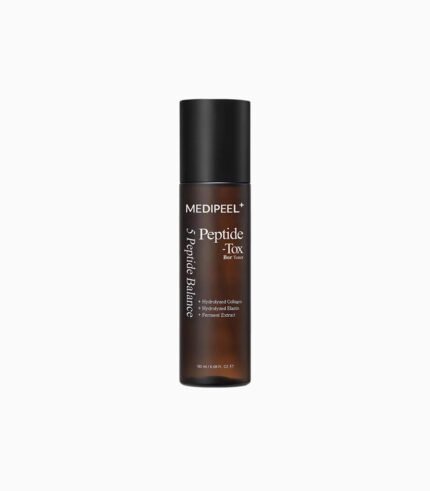
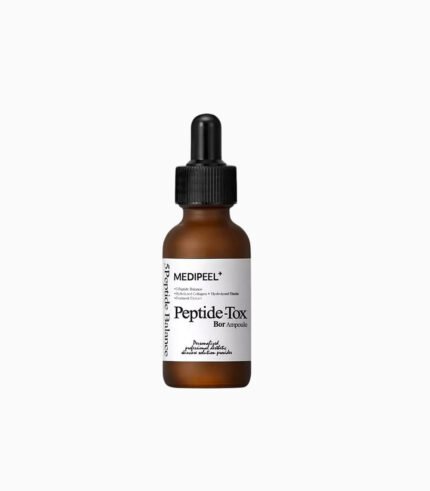
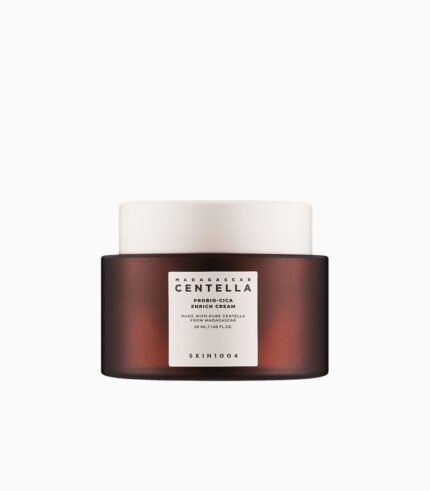
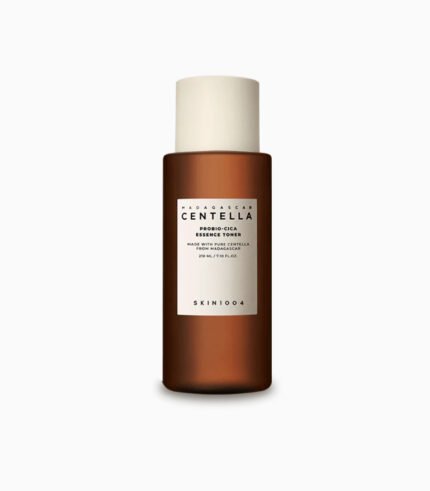
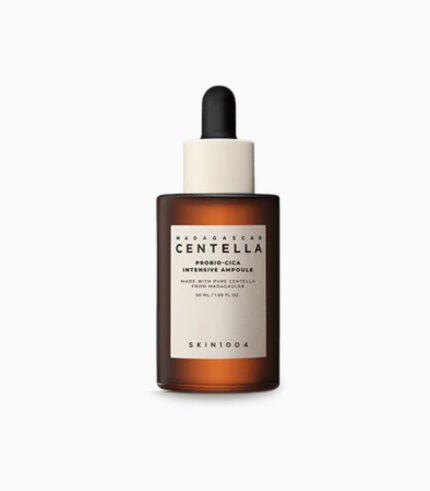
The SKIN1004 Madagascar Centella Probio-Cica line pairs probiotics with centella in a toner, an ampoule and a rich cream. Anua's Peach range adds them to a cream and a cleansing foam, Medi-Peel to its Bor-Tox toner and ampoule, and Biodance to hydrogel masks. All are original Korean products, delivered within 24 hours in Yerevan.
Frequently asked
What are probiotics in skincare?
Usually ferments, lysates or filtrates of beneficial bacteria rather than live cultures. They support the skin barrier and help skin look calmer and more balanced.
Who are probiotic products for?
Mostly sensitive, dry or reactive skin, and skin stressed by retinol, acids or weather. Oily skin can use them too in light toners and essences.
Can I combine probiotics with retinol, acids or vitamin C?
Yes. Probiotic ferments have no known conflicts and are often used to keep skin comfortable alongside stronger actives.
How fast do probiotic products work?
Skin often feels softer and more comfortable within days. A stronger, less reactive barrier usually takes 4–6 weeks of daily use.