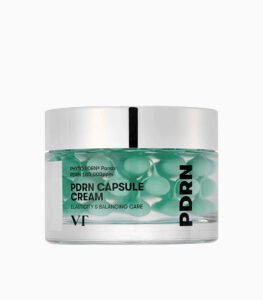


PDRN






PDRN — in skincare

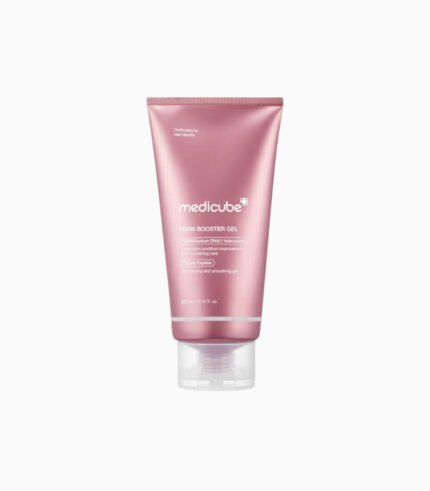
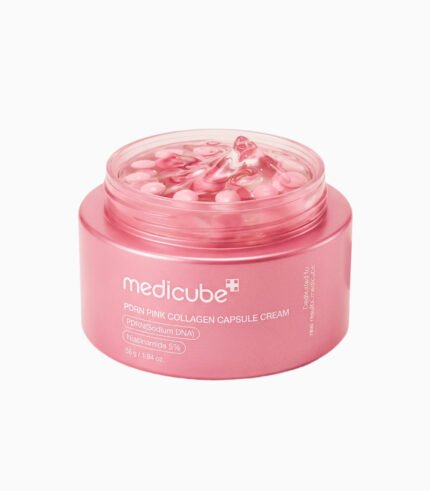
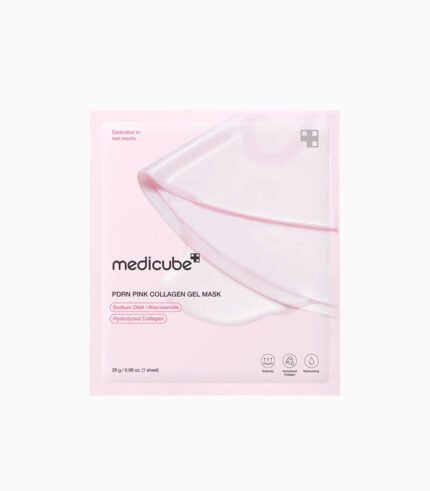
PDRN (polydeoxyribonucleotide) is a blend of purified DNA fragments, usually derived from salmon, used in Korean skincare for a smoother, firmer and more resilient look. It is often called salmon DNA, and VT, Anua and Medicube all build full ranges around it.
What it does for skin
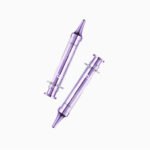
In creams and serums PDRN works as a hydrating, skin-conditioning ingredient that supports the look of firmness and repair, for example after spicule serums. Research on PDRN applied to the skin is still developing.
Who it suits
Dry, dehydrated, dull or mature-looking skin. If you have a fish allergy, check the ingredient list and ask your doctor first.
How to use it
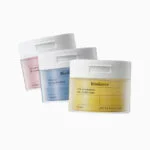
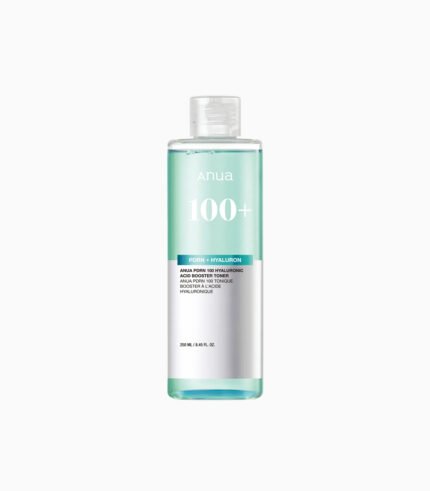
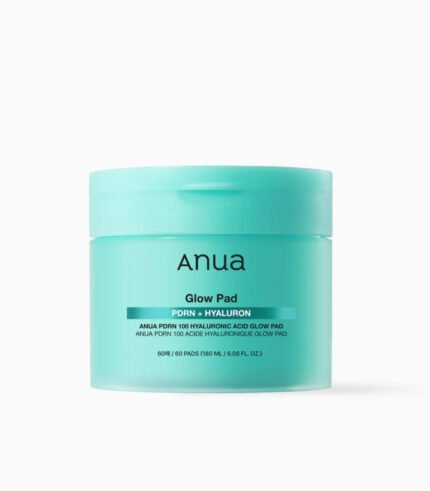
Use PDRN morning and evening: toner or pad first, then serum, then cream as the last step, with sunscreen on top in the morning. Two PDRN pads left on the cheeks for ten minutes work as a quick mask.
Korean products with it at Baseshop
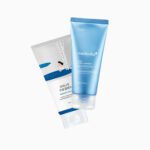
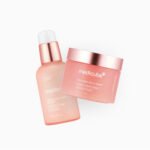
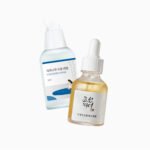
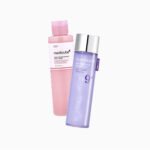
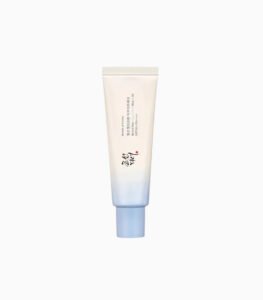
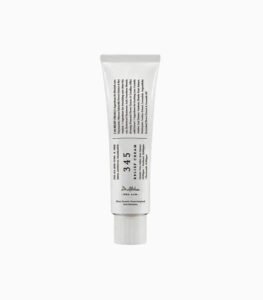
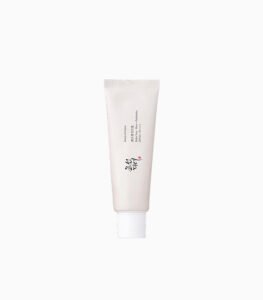
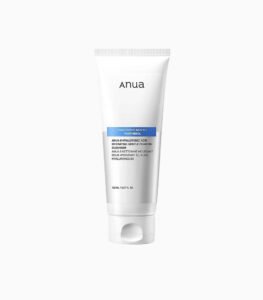
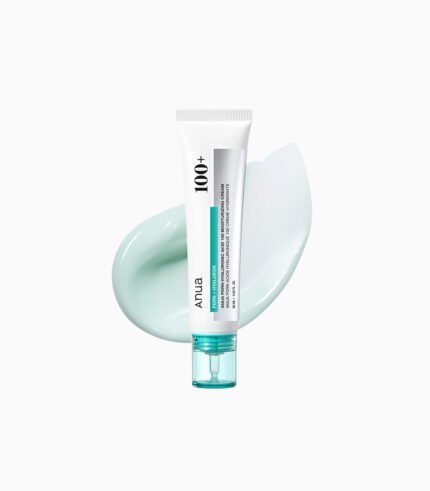
VT PDRN Cream 100, Anua PDRN Hyaluronic Acid 100 Moisturizing Cream, Medicube PDRN Pink Peptide Serum and Anua PDRN 100 Hyaluronic Acid Glow Pad. All are original Korean products, delivered within 24 hours in Yerevan.
Frequently asked
What is PDRN in skincare?
Purified DNA fragments, usually from salmon. Clinics inject PDRN; in skincare it is a hydrating, supportive ingredient aimed at a smoother, more resilient look.
Who is PDRN for? Is it OK for sensitive skin?
It suits dry, dull or mature-looking skin, and sensitive skin usually tolerates it well. Some brands use plant-derived alternatives to salmon PDRN.
How do I use a PDRN cream, and what can I combine it with?
Apply it as the last step, morning and evening. PDRN has no known conflicts, so it layers with retinol, vitamin C, niacinamide and spicule serums such as VT Reedle Shot, helping keep skin comfortable.
How fast does PDRN work? Is a cream like PDRN injections?
No, a cream works in the upper layers of the skin and cannot do what a clinic injection does. Expect hydration and a smoother look within days to weeks, and gradual texture changes over 1–3 months.